

Lesson Plans Implementation
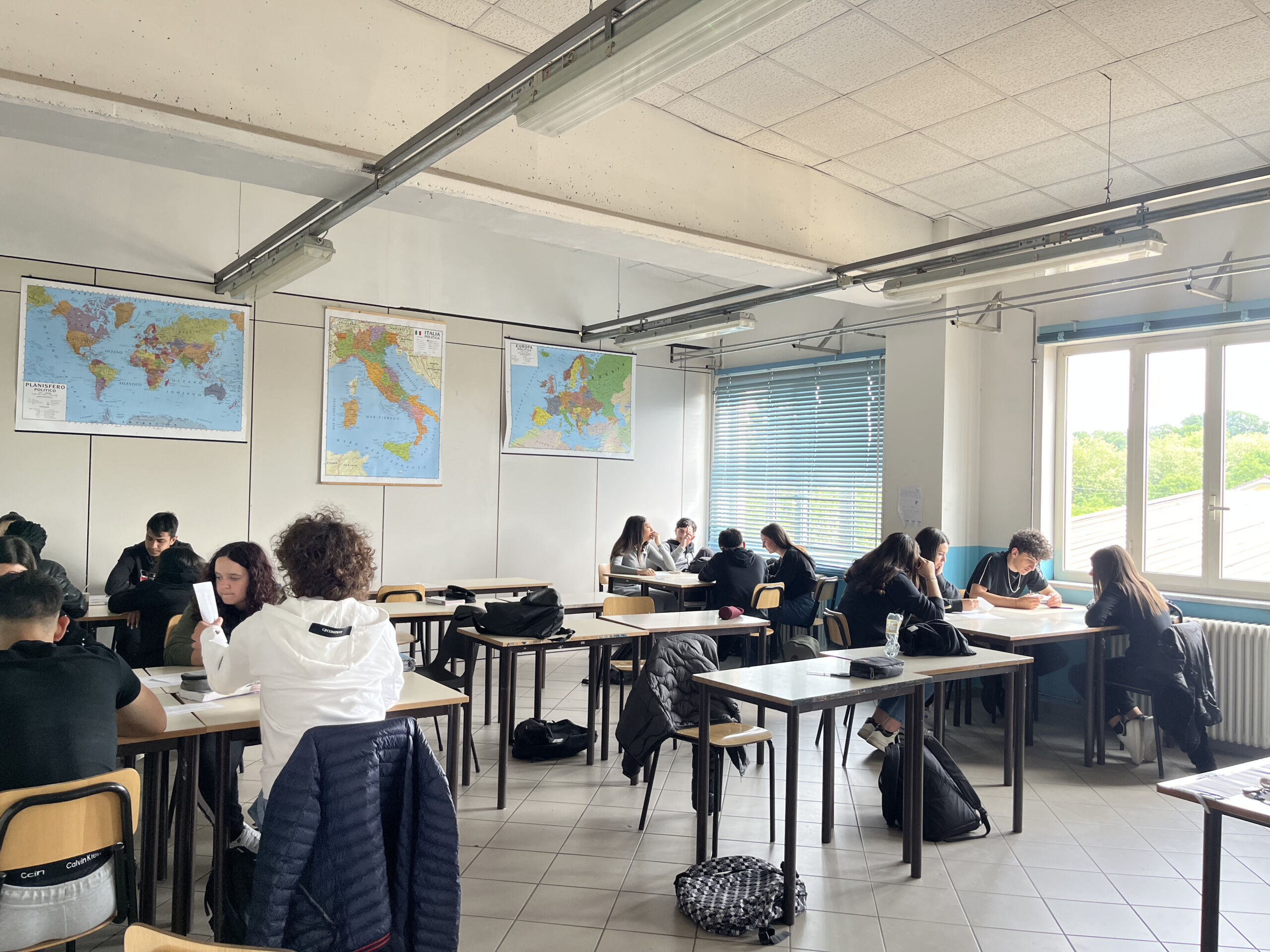
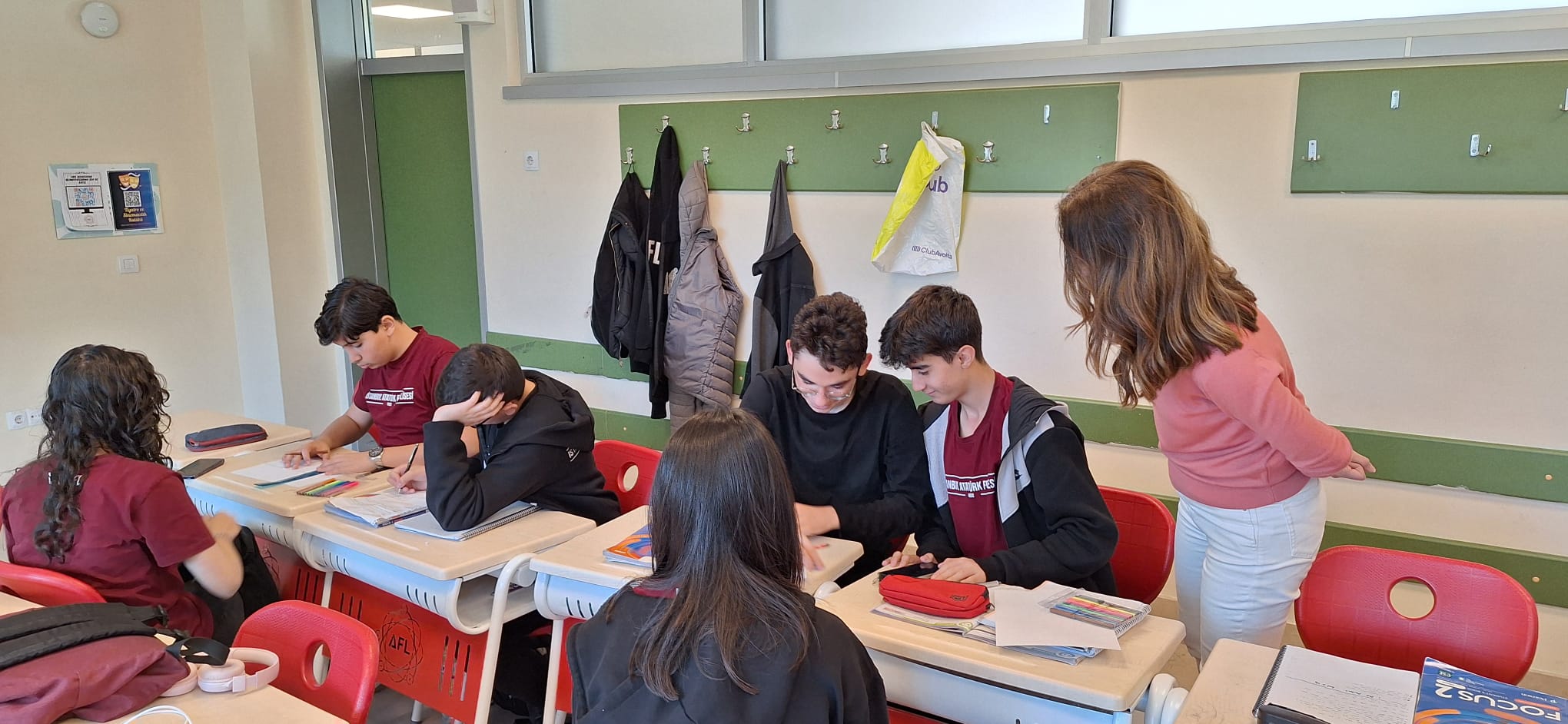
Students took part in a complete series of EDU.CIRCULAR lesson plans focused on circular economy, sustainability, responsible consumption, repair, waste reduction, ethical responsibility, inclusion, diversity, respect, community action, and the transition from linear to circular systems. Through research, teamwork, simulations, creative activities, discussions, case studies, reflection, and hands-on learning, the lesson plans were successfully implemented.
+ –
EDU.CIRCULAR Lesson Plans – Implementation Overview
From the EDU.CIRCULAR Project: The Circular Schools – Empowering Secondary Education Students for a Green Future
Overview
The EDU.CIRCULAR lesson plans introduced students to circular economy and sustainability through practical, creative, collaborative, and inquiry-based learning. The learning process began with a foundational introduction to circular economy, helping students understand global resource-use challenges, ecological overshoot, the difference between linear and circular systems, and the strategies that can help retain the value of products and materials.
The activities then connected environmental responsibility with everyday habits, product lifecycles, food systems, local communities, ethical decision-making, digital technologies, inclusion, diversity, respect, sharing, repair, reuse, responsible consumption, and school-wide sustainability action.
Purpose
The purpose of the implemented lesson plans was to help students understand circular economy as a real-life approach rather than only as a theoretical concept. Students first developed a shared understanding of resource use, sustainability challenges, linear and circular economic models, and key circular strategies.
They then explored how waste can be prevented and reduced, products can be maintained, repaired, reused, shared, refurbished or recycled, communities can become more sustainable, and individual and collective choices can support a greener, fairer, more inclusive, and more circular future.
Implemented Lesson Plans
- Lesson Plan 0: Introduction to Circular Economy – Students explored the shift from linear to circular economy, resource use, Earth Overshoot Day, circular strategies, and real-world case studies.
- Lesson Plan 1: Food Systems & Circular Recipe Book – Students explored food waste, food footprints, and sustainable recipes using local, seasonal, and low-waste ingredients.
- Lesson Plan 2: Circular Economy Treasure Hunt – Students identified sustainable businesses in their community, observed circular practices, conducted interviews, and created a circular economy map.
- Lesson Plan 3: DIY Repair Workshop – Students learned about planned obsolescence, the right to repair, e-waste, textile waste, repair, and upcycling.
- Lesson Plan 4: Life Cycle Analysis of Products – Students examined how products are made, used, discarded, reused, or recycled, and identified environmental and social impacts.
- Lesson Plan 5: Circular Art Installation – Students transformed waste materials into creative artworks that communicated sustainability messages.
- Lesson Plan 6: Climate Career Day – Students researched climate-related careers and presented future green job opportunities through interactive activities.
- Lesson Plan 7: Waste Reduction Challenge – Students completed a month-long challenge to reduce waste at home and in their daily routines.
- Lesson Plan 8: Stakeholder Perspectives on a Factory Project – Students explored environmental, social, and governance impacts through stakeholder role-play and discussion.
- Lesson Plan 9: History of Waste and Sustainability – Students studied how waste practices changed across historical periods and reflected on modern sustainability habits.
- Lesson Plan 10: Circular Cities – Students mapped urban problems and proposed circular solutions for more sustainable cities in the future.
- Lesson Plan 11: Circular Consumer Power – Students reflected on buying habits, eco-labels, responsible consumption, borrowing, sharing, repairing, and reducing unnecessary purchases.
- Lesson Plan 12: Ethics, Rights & Responsibilities – Students discussed how responsibility for waste reduction should be shared between citizens, businesses, producers, and policymakers.
- Lesson Plan 13: Circularity and Digital Tech – Students explored the environmental impact of digital technologies, device use, cloud storage, repair, refurbishment, and e-waste.
- Lesson Plan 14: Sustainable School Festival – Students planned a sustainable school event using circular principles such as reuse, waste reduction, local sourcing, and accessibility.
- Lesson Plan 15: Library of Things – Students designed a school-based lending library to promote sharing, reduce consumption, and build community participation.
- Lesson Plan 17: Inclusion, Diversity and Respect in EDU.CIRCULAR – Students connected circular economy with inclusion, diversity, respect, social responsibility, and active participation through collaborative and reflective activities.
Educational Value
- Built a strong foundation in the principles of circular economy and the differences between linear and circular systems.
- Helped students understand the relationship between resource use, consumption, environmental pressures, society, and the economy.
- Introduced students to circular strategies including reduction, reuse, sharing, repair, refurbishment, recycling, circular design, and product-life extension.
- Promoted active learning, systems thinking, critical thinking, and practical sustainability education.
- Encouraged students to connect circular economy with their daily lives and local communities.
- Supported creativity, collaboration, problem-solving, discussion, reflection, and responsible decision-making.
- Raised awareness of waste, overconsumption, product lifecycles, repair, sharing, reuse, responsible consumption, and resource efficiency.
- Linked environmental sustainability with ethics, inclusion, respect, civic responsibility, and social sustainability.
- Strengthened students’ understanding of European and civic values including inclusion, diversity, respect, equality, active participation, and social responsibility.
- Encouraged intercultural understanding, respectful dialogue, inclusive collaboration, and recognition of different backgrounds, abilities, perspectives, opinions, and learning styles.
Project Partners
The lesson plans were implemented within the EDU.CIRCULAR project with the contribution of all project partners, including schools, educational organisations, innovation centres, and technology partners from different countries.
Learning Journey
The implemented lesson plans created a progressive learning journey that began with the fundamental concepts of resource use, sustainability, and the transition from a linear to a circular economy. Students then applied these concepts through food-related activities, repair workshops, product lifecycle analysis, circular art, climate career exploration, waste challenges, stakeholder role-play, city redesign, responsible consumption, ethical debates, digital sustainability, school festival planning, a Library of Things, and activities promoting inclusion, diversity, respect, social responsibility, and active citizenship.
Through this combination of theory, simulation, discussion, investigation, creativity, collaboration, and practical action, students developed knowledge, skills, values, and attitudes that support a more sustainable, resource-efficient, inclusive, responsible, and circular future.
Browse the EDU.CIRCULAR Moodle courses and access the available learning materials and training content.
Explore the EDU.CIRCULAR Courses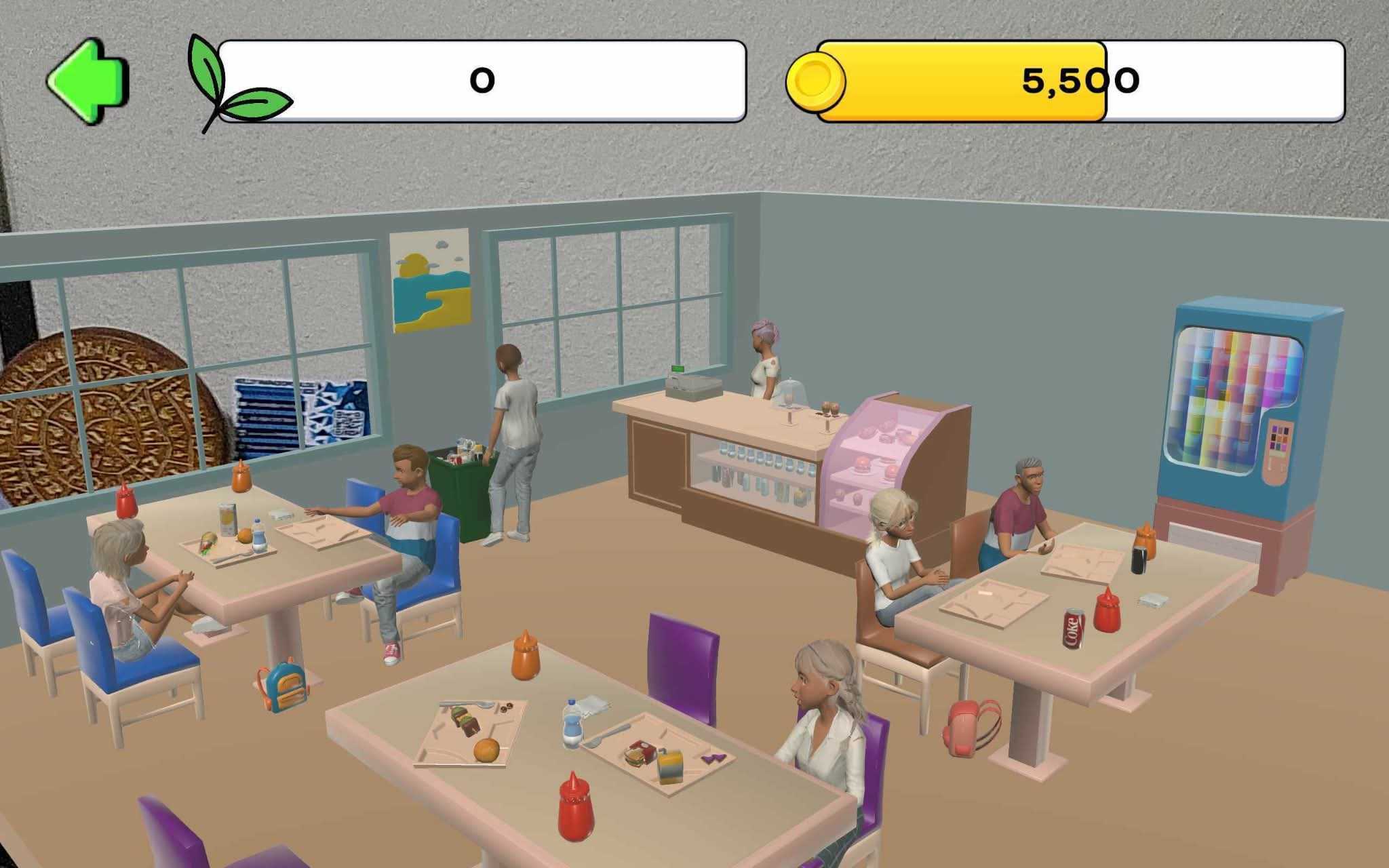
16th Lesson Plan: XR Application
Students explored circular economy concepts through an interactive XR application. By completing real-life sustainability scenarios, they reflected on their choices, compared results, and discussed how circular thinking can be applied in everyday life.
+ –
Lesson Plan 16 – XR Application in EDU.CIRCULAR
From the EDU.CIRCULAR Project: The Circular Schools – Empowering Secondary Education Students for a Green Future
Overview
This lesson plan introduces students to circular economy through an interactive extended reality application. The XR experience helps students understand sustainability in a visual, engaging, and practical way by placing them in scenarios where their choices have consequences.
Purpose
The purpose of this lesson is to help students apply circular economy principles to real-life situations. Through the XR application, students explore different sustainability challenges, make decisions, evaluate outcomes, and discuss how circular solutions can be used in daily life and school contexts.
Learning Objectives
- Engage with interactive circular economy simulations through visual and hands-on learning.
- Understand how XR environments can support collaboration and shared problem-solving.
- Apply circular thinking to everyday situations and decision-making.
- Reflect on the results of different choices in circular economy scenarios.
- Recognize how immersive digital tools can support inclusive and engaging learning experiences.
Lesson Structure
- Introduction to XR: The teacher gives a short introduction to the XR application and explains the main sections of the activity.
- Using the XR Application: Students explore the application individually or in small groups, depending on the number of available devices.
- Interactive Scenarios: Students complete scenarios related to single-use plastic bottles, mobile phones, food waste, and sustainable fashion.
- Results and Reflection: Students compare their scores, discuss their choices, and identify which actions led to more sustainable results.
- Evaluation: Students and teachers complete a short evaluation questionnaire about the activity.
Suggested Materials
- Short introduction or presentation about XR and circular economy.
- The EDU.CIRCULAR XR application.
- Tablets or smartphones for students.
- Evaluation questionnaires for students and teachers.
- Classroom space suitable for individual or small-group digital activities.
Activities Completed
- Students were introduced to the XR application and its circular economy sections.
- They explored the sections Re-invent Systems, Pre-Use, Use, and Post-Use.
- They completed interactive scenarios on plastic bottles, mobile phones, food waste, and sustainable fashion.
- They shared their results and reflected on the decisions that led to better circular outcomes.
- They participated in a discussion about how the same ideas can be applied in real life.
Educational Value
- Promotes experiential and visual learning through immersive technology.
- Makes circular economy concepts easier to understand through practical scenarios.
- Encourages students to think critically about the consequences of their choices.
- Supports collaboration, discussion, and reflection after the digital activity.
- Shows how digital tools can make sustainability education more engaging and inclusive.
Implementation Summary
The XR Application lesson plan was implemented as an interactive activity where students used digital tools to explore circular economy in a practical way. The lesson combined technology, sustainability, competition, reflection, and discussion, helping students understand how circular choices can reduce waste and support more sustainable systems.
Through the XR application, students experienced circular economy concepts in an engaging and innovative format. The activity helped them connect digital learning with real-world sustainability challenges and encouraged them to reflect on how their choices can contribute to a more circular future.


Moodle Platform
Students and teachers used the EDU.CIRCULAR Moodle platform as part of the project’s digital learning environment. Through the Moodle activities and resources, they explored circular economy, sustainability, responsible consumption, waste reduction, ethical thinking, inclusion, and practical circular solutions.
+ –
Moodle Implementation Overview
From the EDU.CIRCULAR Project: The Circular Schools – Empowering Secondary Education Students for a Green Future
Overview
The EDU.CIRCULAR Moodle platform supported the implementation of the project’s learning activities by providing a digital space for educational materials, project resources, student engagement, and sustainability-related learning. It helped connect classroom activities with online learning and gave students access to structured content linked to circular economy education.
Purpose
The purpose of using Moodle was to support students and teachers in completing the digital part of the EDU.CIRCULAR learning process. The platform helped organise learning materials, guide students through sustainability topics, and strengthen the connection between theory, reflection, and practical action.
What Has Been Completed in Moodle
- Access to EDU.CIRCULAR learning materials – Students and teachers used the Moodle platform to access project-related educational content and resources.
- Circular economy learning activities – Moodle supported learning on circular economy principles, sustainability, reuse, repair, responsible consumption, and waste reduction.
- Digital support for lesson plans – The platform was used to support the implementation of EDU.CIRCULAR lesson plans and related classroom activities.
- Student reflection and engagement – Students were encouraged to reflect on sustainability topics and connect online learning with real-life examples.
- Project-based learning support – Moodle contributed to the organisation of project activities, learning tasks, and educational resources.
- Completion of Moodle-based project work – The Moodle learning component connected to the EDU.CIRCULAR activities has been completed as part of the project implementation.
Educational Value
- Supported blended learning by combining classroom activities with digital resources.
- Helped students explore circular economy concepts in a structured online environment.
- Encouraged independent learning, reflection, and digital participation.
- Provided teachers with a useful platform for organising and sharing educational content.
- Strengthened students’ understanding of sustainability through accessible online materials.
Project Partners
The Moodle activities were completed within the EDU.CIRCULAR project with the contribution of all project partners, including schools, educational organisations, innovation centres, and technology partners from different countries.
The Moodle platform formed an important part of the EDU.CIRCULAR learning experience. By supporting access to educational materials, digital activities, and sustainability-focused content, Moodle helped students and teachers complete the online learning component of the project and strengthened the overall implementation of circular economy education.
The Moodle platform formed an important part of the EDU.CIRCULAR learning experience. By supporting access to educational materials, digital activities, and sustainability-focused content, Moodle helped students and teachers complete the online learning component of the project and strengthened the overall implementation of circular economy education.
Explore the EDU.CIRCULAR Moodle platform and access the project’s digital learning resources.
Explore the EDU.CIRCULAR Moodle Platform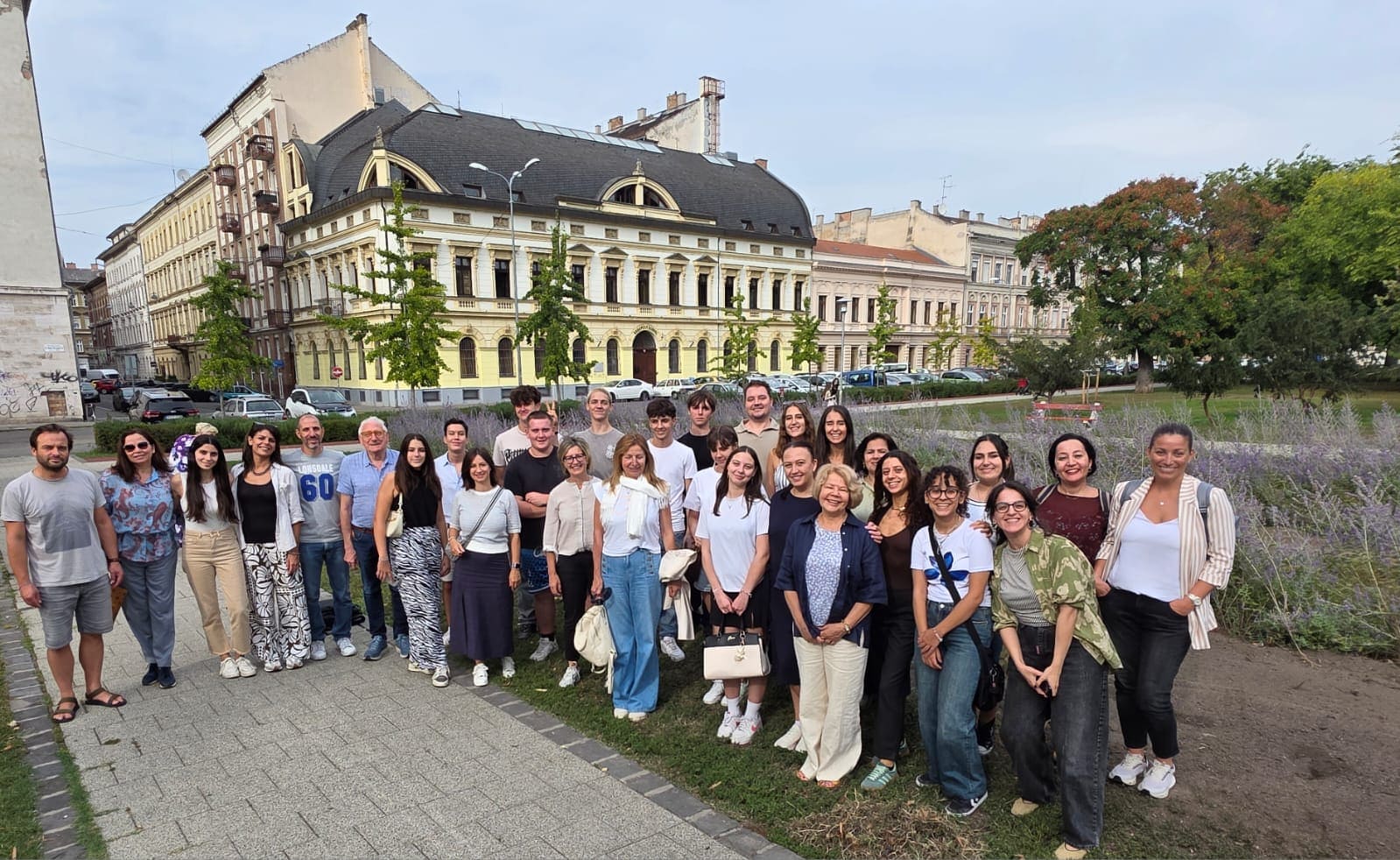
Circular Initiatives and Framework for Action
The EDU.CIRCULAR project partners completed the collection and presentation of local circular initiatives from different countries, together with a shared framework for action to support circularity in schools. The work highlights practical examples of repair, reuse, sharing, food waste reduction, sustainable fashion, circular business models, and school-based circular economy actions.
+ –
Circular Initiatives and Capacity Building – Implementation Overview
From the EDU.CIRCULAR Project: The Circular Schools – Empowering Secondary Education Students for a Green Future
Overview
This part of the EDU.CIRCULAR project focused on identifying, collecting, and sharing successful circular initiatives from partner countries. These examples show how circular economy principles are already being applied through repair cafés, reuse centres, food-saving projects, sustainable fashion brands, sharing platforms, composting programmes, upcycling initiatives, circular business models, and community-based sustainability actions.
Purpose
The purpose was to connect circular economy education with real examples from local communities, cities, schools, businesses, and organisations. By collecting these initiatives, the project created a practical knowledge base that can inspire schools to move from theory to action and develop their own circular practices.
What Has Been Completed
- Local Circular Initiatives Collection: Project partners collected examples of successful circular initiatives from Greece, Spain, Bulgaria, Italy, Türkiye, Hungary, Estonia, and other partner contexts.
- Repair and Reuse Examples: Initiatives such as repair cafés, reuse centres, upcycling projects, and community repair actions were identified as practical ways to extend product lifespans and reduce waste.
- Food Waste Reduction Examples: Partners included initiatives focused on rescuing surplus food, reducing canteen waste, composting organic waste, and supporting sustainable food systems.
- Sharing and Borrowing Models: Examples such as Libraries of Things, shared bicycle systems, community sharing platforms, and digital tools showed how access can replace ownership.
- Sustainable Fashion and Textile Reuse: The collection included second-hand clothing shops, regenerated textile brands, ethical fashion initiatives, textile waste recovery projects, and upcycling projects.
- Circular Business and Innovation Examples: Partners documented circular economy platforms, innovation labs, sustainable packaging initiatives, biomaterial technologies, and circular design models.
- Framework for Action: A school-focused framework was developed around leadership, teaching and learning, assessment, curriculum, collaboration, communication, infrastructure, and operations.
- Circular School Guide: Capacity-building content was prepared to help schools integrate circular economy principles into their mission, teaching practices, student activities, partnerships, and daily operations.
Main Areas Covered
- Leadership and Governance: Circular economy principles were connected with school vision, planning, roles, responsibilities, monitoring, and green transition goals.
- Teaching and Learning: The materials promoted project-based, experiential, interdisciplinary learning, systems thinking, eco-design, and real-life problem-solving.
- Assessment Practices: The framework encouraged reflection, peer assessment, eco-portfolios, oral presentations, and evaluation of circular projects through creativity, impact, and feasibility.
- Curriculum Development: Circular economy content was linked with STEM, arts, humanities, open educational resources, digital tools, and innovative learning approaches.
- Collaboration and Communication: The work supported cooperation with families, local stakeholders, municipalities, businesses, universities, and wider European networks.
- Infrastructure and Operations: Schools were encouraged to develop repair corners, recycling stations, resource rooms, upcycling displays, zero-waste policies, composting, repair policies, and circular procurement practices.
Examples of Circular Initiatives Collected
- Greece: Community circularity hubs, repair cafés, food saving initiatives, WEEE reuse and recycling, sustainable food networks, and circular social enterprises.
- Spain: Circular innovation programmes, environmental organisations, ecosocial school transformation, circular employment initiatives, circular urbanism, and sustainable fashion actions.
- Bulgaria: Repair Café Sofia, Zero Waste Sofia, reuse centres, second-hand clothing systems, volunteering platforms, electric logistics, and food waste reduction apps.
- Italy: Reuse shops, circular fairs, Libraries of Things, sustainable fashion brands, creative recycling centres, reuse centres, and circular education initiatives.
- Türkiye: Zero Waste Initiative, organic composting, textile recovery, women’s cooperatives, circular makerspaces, circular economy platforms, repair communities, and sharing platforms.
- Hungary: Zero waste websites and applications, responsible consumer tools, public tree-watering apps, sustainable consumption platforms, and shared bicycle systems.
- Estonia: Sustainable biomaterials, food waste monitoring in school canteens, platforms for unwanted items, reusable packaging systems, sustainable fashion, and textile-waste-based packaging.
Educational Value
- Connected circular economy learning with real and ongoing initiatives from local communities.
- Provided schools with practical examples that can inspire student-led circular actions.
- Supported capacity building for teachers, students, and school communities.
- Highlighted the role of repair, reuse, sharing, recycling, composting, and responsible consumption.
- Showed that circular economy is linked not only to the environment, but also to social inclusion, local development, innovation, and community participation.
Implementation Summary
The project partners completed the mapping and documentation of circular initiatives and developed supporting guidance for schools. This work created a useful foundation for circular economy education by combining real-life examples with a structured framework that schools can use to plan, implement, monitor, and communicate circular actions.
Through the collection of circular initiatives and the development of the Framework for Action and Circular School Guide, EDU.CIRCULAR strengthened the connection between education, local communities, and practical sustainability. The completed work supports schools in becoming active spaces for circular learning, responsible consumption, innovation, collaboration, and environmental action.
Discover the organisations and institutions working together to support the EDU.CIRCULAR project and its mission for a more sustainable and circular future.
Meet the EDU.CIRCULAR Partners
Circular School Guide
The Circular School Guide supports schools, families, and communities in understanding and applying circular economy principles in practical and meaningful ways. It introduces simple explanations, real-life examples, and useful ideas that can help make circular living part of everyday school, home, and community life.
+ –
Circular School Guide – Overview
Supporting Circular Economy Education in Schools, Families and Communities
Overview
Growing concerns about pollution, climate change, and increasing waste highlight the need for new ways of thinking and acting. The circular economy offers an alternative to the traditional “take-make-waste” model by keeping products, materials, and resources in use for as long as possible and by reducing waste from the very beginning.
Purpose
The purpose of the Circular School Guide is to make circular economy education practical, accessible, and engaging. It helps schools, families, and communities understand how circularity can be applied through teaching, everyday habits, school operations, responsible consumption, repair, reuse, sharing, and community-based activities.
What the Guide Covers
- Understanding Circular Economy – The guide explains how products, materials, and resources can remain in use for as long as possible instead of becoming waste after a short period of use.
- Moving Beyond “Take-Make-Waste” – Circularity replaces the traditional linear model with approaches that reduce waste and keep resources circulating.
- Durable and Repairable Products – Products can be designed to be durable, repairable, reusable, and recyclable so that their useful life is extended.
- Repair and Take-Back Services – Circular companies can support longer product lifecycles through repair services and systems that take products back after use.
- Recycled Materials and Product Services – Businesses can use recycled materials in production or provide products through services such as leasing instead of traditional ownership.
- Electronics and Circularity – A broken phone can be repaired instead of replaced, its components reused in other devices, or its materials recycled into new electronics.
- Clothing and Reuse – Clothes can be repaired, swapped, or resold rather than being discarded, helping to extend their useful life.
- Reducing Food Waste – Food waste can be reduced through careful planning, composting, and redistribution of surplus food.
- Extending the Life of School Resources – School furniture and other resources can be refurbished instead of replaced, reducing both environmental impacts and costs.
- Circularity Across School Subjects – Circular economy principles can be integrated into different subjects, such as analysing waste data in mathematics, exploring sustainable design in art, or studying consumption patterns in social sciences.
- Schools as Sustainability Hubs – Schools can model circular practices through recycling systems, sharing initiatives, repair activities, and resource-conscious operations.
- Circular Habits at Home – Families can reinforce what students learn at school by practising waste reduction, reuse, repair, and responsible resource use at home.
- Repair Instead of Replacement – Families can support circular living by choosing to repair products whenever possible instead of immediately replacing them.
- Second-Hand and Sharing – Buying second-hand, sharing resources, and reducing unnecessary purchases can help families lower consumption and waste.
- Community-Based Circular Actions – Schools and families can work together through activities such as repair cafés, swap events, community gardens, and other local circular initiatives.
- Inspiring School Practices – The guide highlights examples such as zero-waste canteens, repair clubs, sharing systems, and eco-school programmes that demonstrate circularity in everyday school life.
Educational Value
- Helps students understand how circular economy principles connect with everyday life.
- Encourages practical habits such as reducing waste, repairing, reusing, sharing, and conserving resources.
- Supports the integration of circular economy concepts across different school subjects and activities.
- Strengthens collaboration between schools, families, and local communities.
- Empowers young people to become active change agents who can influence their families, peers, and communities.
Schools, Families and Communities
Circular economy education becomes more meaningful when learning extends beyond the classroom. Schools can introduce and model circular practices, while families reinforce these ideas through everyday choices at home. Communities can further support circular living through local initiatives, shared resources, repair activities, swap events, gardening projects, and other collaborative actions.
Conclusion
When schools, families, and communities work together, circular economy education becomes more than a school topic: it becomes a shared way of living. By combining education with practical actions such as repair, reuse, recycling, sharing, responsible consumption, food-waste reduction, and community participation, young people can develop lasting habits and contribute to a more resource-conscious and resilient future — one circular action at a time.
Discover more practical steps and useful ideas for applying circular economy principles in schools, families, and everyday life.
Read the Circular School Guide
EDU.CIRCULAR Repository: Lesson Plans
The EDU.CIRCULAR Repository brings together 18 modular lesson plans designed to help secondary school students explore circular economy through practical, creative, collaborative, and interdisciplinary learning activities.
+ –
EDU.CIRCULAR Lesson Plans – Repository Overview
The Circular Schools – Empowering Secondary Education Students for a Green Future applying Circularity Thinking Strategies
Overview
The EDU.CIRCULAR lesson plan repository provides practical tools and innovative methodologies for introducing circular economy into secondary education. Through a whole-school approach, students, families, teachers, and community members are encouraged to learn about circularity and apply sustainable practices in real-life contexts.
The lessons cover a wide range of topics and can be integrated into different subjects. Students can explore resource use, food systems, repair and reuse, product lifecycles, waste, sustainable cities, responsible consumption, digital technologies, social responsibility, and other dimensions of circular economy.
Purpose
The repository is designed to help educators bring circular-economy learning to life in the classroom. The lesson plans encourage students to investigate real-world sustainability challenges, develop practical solutions, work collaboratively, and connect circular thinking with their everyday choices and communities.
Lesson Plans
- Introduction to Circular Economy – Students explore why society needs to move from a linear to a circular economy through resource-use activities, global challenges, circular strategies, and real-life case studies.
- Food Systems and Circular Recipe Book – Students explore the environmental and social impact of food choices and create low-impact circular recipes using sustainable thinking.
- Circular Economy Treasure Hunt – Students investigate sustainability in their local community by visiting businesses, identifying circular practices, conducting interviews, and creating a circular economy map.
- DIY Repair Workshop – Students learn about planned obsolescence, the right to repair, e-waste, fast fashion, repair, and upcycling through hands-on activities.
- Lifecycle Analysis of a Product – Students investigate the lifecycle of everyday products and identify environmental and social impacts across production, use, and disposal.
- Circular Art Installation – Students transform discarded materials into meaningful artwork while exploring how creativity can raise awareness of sustainability and circular solutions.
- Climate Career Day – Students research climate-related careers, create interactive booths, and share future green career opportunities with their peers and school community.
- Waste Reduction Challenge – Students participate in a month-long challenge to reduce waste, reflect on their habits, involve their families, and document their progress.
- Factory Role Play – Students examine the social, environmental, and governance impacts of a new battery factory by representing different stakeholders and negotiating possible solutions.
- History of Waste and Sustainability – Students compare how products were used, reused, and discarded across different historical periods and identify sustainable lessons for today.
- Circular Cities – Students explore circular urban systems, identify challenges in their own cities, and develop ideas for more sustainable and circular communities.
- Circular Consumer Power – Students examine how their purchasing decisions affect the environment and economy and explore responsible consumption and eco-labels.
- Ethics, Rights, Responsibilities – Students investigate sustainability challenges from the perspectives of different stakeholders and explore ethics, rights, responsibilities, and circular-economy policies.
- Circularity and Digital Tech – Students explore the environmental impact of digital technologies, calculate their digital carbon footprint, and identify more sustainable technology habits.
- Sustainable School Festival – Students design and plan a sustainable school event while applying circular principles such as waste reduction, reuse, and resource efficiency.
- Library of Things – Students design a school-based lending library that promotes sharing, reduces consumption and waste, and strengthens community participation.
- XR Platform in EDU.CIRCULAR – Students use an interactive XR simulation to explore circular economy scenarios, make decisions, reflect on their choices, and discuss sustainable solutions.
- Inclusion, Diversity and Respect – Students connect circular economy with civic and social values such as respect, diversity, inclusion, equity, collaboration, and social responsibility.
Educational Approach
- Promotes practical, interdisciplinary, and activity-based circular economy education.
- Encourages students to connect sustainability with real-life decisions and local challenges.
- Develops collaboration, creativity, communication, problem-solving, and critical-thinking skills.
- Supports the participation of students, teachers, families, experts, and local communities.
- Encourages educators to adapt activities to students' interests, local contexts, and classroom realities.
- Supports inclusive and gender-aware learning environments where students can participate confidently in different roles and activities.
Whole-School Approach
EDU.CIRCULAR recognises that circular economy education becomes stronger when it extends beyond individual classroom activities. Schools can act as community hubs where students, teachers, families, and local partners work together to promote resource conservation, creative reuse, repair, waste reduction, and other sustainable practices.
Conclusion
The EDU.CIRCULAR lesson plans provide educators with practical tools and meaningful inspiration for developing circular thinking in secondary education. Whether teachers implement several lessons or select individual activities that complement their subject area, even small steps can help students develop the knowledge, skills, curiosity, and awareness needed to contribute to more sustainable communities and a more circular future.
Explore the complete EDU.CIRCULAR Repository to access the lesson plans, supporting materials, presentations, worksheets, and additional resources.
Explore the EDU.CIRCULAR Lesson Plan Repository